Gymnastics - National Curriculum Programme
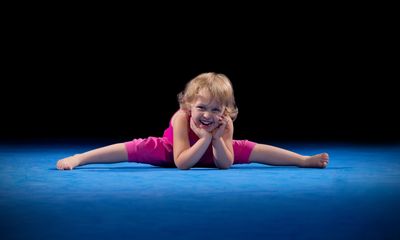
EYFS
EYFS Gymnastics – 12 Week Programme
Lesson length: 60 minutes
Age: Nursery / Reception (3–5 years)
Lesson Structure (Same Each Week)
1. Warm-up (10 mins)
- Simple movement games
- Travel in different ways (walk, hop, crawl, skip)
- Emphasise space awareness
2. Skill Development (15 mins)
- Introduce weekly focus skills
- Use demonstrations and child exploration
3. Main Activity / Stations (25 mins)
- 3–4 simple apparatus or floor stations
- Children rotate every 5–7 minutes
4. Cool-down & Reflection (10 mins)
- Stretching, breathing
- Ask children to talk about what they did
Weekly Breakdown
Week 1 – Introduction to Gymnastics
Focus: Safety & space
- Moving safely in the hall
- Stopping on command
- Shapes: star, tuck, straight
Week 2 – Travelling
Focus: Movement types
- Walk, run, jump, hop, crawl
- Travel high and low
- Use floor lines and mats
Week 3 – Balancing (Static)
Focus: Still shapes
- One-foot balance
- Wide/narrow shapes
- Balance on mats and low benches
Week 4 – Balancing (Dynamic)
Focus: Moving balances
- Walk along benches
- Step over obstacles
- Balance while carrying a beanbag
Week 5 – Jumping & Landing
Focus: Safe landings
- Two-foot take-off and landing
- Jump from low heights
- Emphasise bent knees & quiet feet
Week 6 – Rolling
Focus: Floor work
- Egg roll
- Log roll
- Introduce teddy bear roll (supported)
Week 7 – Shapes
Focus: Body control
- Tuck, star, straight, pike
- Making shapes on floor & apparatus
- Hold shapes for 3–5 seconds
Week 8 – Levels & Pathways
Focus: Exploring space
- High, medium, low movements
- Straight, curved, zig-zag pathways
- Use hoops, cones, benches
Week 9 – Linking Movements
Focus: Simple sequences
- Travel → balance → jump
- Encourage children to choose movements
- Work individually or in pairs
Week 10 – Apparatus Circuits
Focus: Confidence & independence
- Bench walk → jump → roll
- Crawl under/over obstacles
- Emphasise safe use of equipment
Week 11 – Creating Sequences
Focus: Creativity
- Choose 3 movements
- Perform to a partner or small group
- Use music to support rhythm
Week 12 – Celebration & Assessment
Focus: Demonstration & enjoyment
- Revisit favourite activities
- Small group performances
- Teacher observation and praise
Assessment Opportunities (EYFS Appropriate)
Observe children for:
- Confidence in movement
- Ability to balance and travel
- Awareness of space and others
- Willingness to try new movement
Challenge:
- Hold balances longer
- Add a jump or roll
- Perform on narrower equipment
Year 1

Year 1 - 12 Week Programme
Year 1 – 12-Week Gymnastics Scheme of Work
Week 1: Exploring Jumps and Body Shapes
Learning Focus:
- Try straight and star jumps.
- Discover basic shapes: small, wide and long.
Lesson Outline:
Warm-up (10 mins):
- Light running around the space, lifting knees, followed by gentle stretches.
- Shape response game where children create a shape called out by the teacher.
Main Activities (40 mins):
- Practice straight and star jumps with an emphasis on controlled, soft landings.
- Investigate making small, wide and long shapes on mats and the floor.
- Group task using floor shapes to jump between (shape hopscotch).
Cool-down (10 mins):
- Slow stretching and calm breathing.
- Class discussion about favourite shapes.
Assessment:
- Observe jumping control and ability to identify shapes.
Week 2: Rolling and Safe Walking
Learning Focus:
- Perform a sideways roll while keeping the body straight.
- Walk forward confidently along low equipment.
Lesson Outline:
Warm-up:
- Animal movements such as bear and crab walks.
- Whole-body stretching.
Main Activities:
- Side rolls on mats, encouraging straight body alignment.
- Forward walking along benches or low apparatus with safety awareness.
- Combine rolling and walking into a simple sequence.
Cool-down:
- Stretching followed by a mirror movement activity in pairs.
Assessment:
- Confidence and smoothness in rolling and travelling.
Week 3: Tuck Jumps and Rocking
Learning Focus:
- Attempt tuck jumps with safe landings.
- Rock smoothly in pike and straddle shapes.
Lesson Outline:
Warm-up:
- Jumping games and dynamic stretches.
Main Activities:
- Tuck jump practice on mats.
- Rocking forwards and backwards in pike and straddle positions.
- Small challenges linking rocking and jumping actions.
Cool-down:
- Floor stretches and reflective talk.
Assessment:
- Control in landings and ability to hold rocking shapes.
Week 4: Balance Skills
Learning Focus:
- Try a variety of balances using equipment
- Maintain a balance for three seconds.
Lesson Outline:
Warm-up:
- Balance games such as freezing in a pose when music stops.
Main Activities:
- Balancing on benches and boxes using different body positions.
- Timed balance holds.
- Added challenges using arm positions or tiptoes.
Cool-down:
- Gentle stretching and relaxation breathing.
Assessment:
- Stability and balance control.
Week 5: Partner Work and Jump Sequences
Learning Focus:
- Work cooperatively with a partner during rolls
- Connect three different jumps.
Lesson Outline:
Warm-up:
- Partner mirroring activities.
Main Activities:
- Partner tuck rolls using rocking and hand contact.
- Practise a jump sequence: straight, star, tuck.
- Encourage communication between partners.
Cool-down:
- Paired stretches performed seated.
Assessment:
- Safe cooperation and ability to link jumps.
Week 6: Rolling Development and Jump Variety
Learning Focus:
- Progress towards a teddy bear roll
- Experience different jumping actions.
Lesson Outline:
Warm-up:
- Jump and landing drills and gentle rolling.
Main Activities:
- Introduction to teddy bear roll technique.
- Jumping tasks including onto targets, off equipment, sideways and over obstacles.
Cool-down:
- Stretching and sharing favourite jumps.
Assessment:
- Controlled risk-taking and coordination.
Week 7: Body Control and Linking Movements
Learning Focus:
- Recognise and use body tension
- Try half-turn jumps.
- Combine travelling, balancing and jumping.
Lesson Outline:
Warm-up:
- Tense-and-relax body exercises.
Main Activities:
- Practise half-turn jumps.
- Create short sequences linking travel, balance and jump actions.
Cool-down:
- Stretching with calm breathing.
Assessment:
- Quality of movement links and jump control.
Week 8: Stretching and Focus
Learning Focus:
- Recall and perform three stretches
- Improve focus during balance work.
Lesson Outline:
Warm-up:
- Light movement and stretching.
Main Activities:
- Children demonstrate remembered stretches.
- Balance challenges holding positions for five seconds.
- Mini-circuits combining balance, stretch and travel.
Cool-down:
- Breathing exercises and partner discussion.
Assessment:
- Stretch recall and improved balance control.
Week 9: Travelling with a Partner
Learning Focus:
- Perform a complete stretch routine
- Move cooperatively with a partner.
Lesson Outline:
Warm-up:
- Stretch routine practice and partner movement games.
Main Activities:
- Paired travelling across mats or equipment using different formations.
- Create simple partner movement patterns.
Cool-down:
- Stretching and teamwork reflection.
Assessment:
- Coordination and cooperation skills.
Week 10: Jumping, Catching and Rolling
Learning Focus:
- Jump while catching an object.
- Increase confidence in rolling along equipment.
Lesson Outline:
Warm-up:
- Throwing and catching activities.
Main Activities:
- Jump-and-catch challenges using beanbags.
- Rolling along apparatus with controlled movement.
- Combine jumping and rolling actions.
Cool-down:
- Stretching and relaxation breathing.
Assessment:
- Hand–eye coordination and rolling confidence.
Week 11: Creating a Gymnastics Sequence
Learning Focus:
- Build a short movement sequence using key skills
Lesson Outline:
Warm-up:
- Dynamic stretches and travelling movements.
Main Activities:
- Design a four-part sequence including a roll, balance, travel and jump.
- Practise individually or in small groups.
Cool-down:
- Stretching and discussion of creative choices.
Assessment:
- Flow, creativity and skill accuracy.
Week 12: Performance and Strength
Learning Focus:
- Perform a completed sequence
- Develop basic strength and control.
Lesson Outline:
Warm-up:
- Whole-body stretches and gentle jumping.
Main Activities:
- Perform sequences to classmates.
- Strength circuit including dish holds, arch lifts, front support holds and rebound tuck jumps.
Cool-down:
- Relaxing stretches and reflection on learning.
Assessment:
- Performance quality, strength control and confidence.
Overview:
This programme gradually builds pupils’ physical skills, confidence and creativity through structured gymnastics activities, supporting progression in line with the UK National Curriculum for Physical Education.
Year 2
Year 2 - 12 Week Programme
Year 2 Gymnastics – 12-Week Teaching Plan
Lesson Length: 1 hour per week
Curriculum Overview
Pupils will:
- Build confidence in fundamental movement skills such as running, jumping, rolling, balancing, throwing, and catching
- Improve flexibility, strength, coordination, balance, and body control.
- Perform simple movement patterns and sequences.
- Work independently, with partners, and in small groups to develop cooperation and self-confidence.
Week 1 – Rolling Shapes
Learning Focus:
Explore and recognise body shapes used in pencil, side, and egg rolls.
Expected Outcomes:
- Recognise start, roll, and finish positions
- Perform basic rolls with control and awareness.
Learning Activities:
- Warm-up: Stretching and practising shapes (tuck, star, pike).
- Teacher Input: Demonstration of pencil, side, and egg rolls, focusing on body shape.
- Practice: Rolling activities set up on mats for pupils to rotate through.
- Review: Discuss which shapes helped rolls stay smooth and controlled.
Week 2 – Jumping and Moving
Learning Focus:
Develop a range of jumping and travelling actions.
Expected Outcomes:
- Jump in different directions, over objects, and from apparatus.
- Use hopping, skipping, and jumping confidently.
Learning Activities:
- Warm-up: Travelling actions including hops, skips, and jumps.
- Skill Stations: Jumping challenges using mats, benches, and cones.
- Movement Course: A pathway for hopping, skipping, and jumping.
- Review: Reflect on which movements were most challenging and why.
Week 3 – Combining Balance and Travel
Learning Focus:
Link balancing shapes with travelling movements, including partner and apparatus work.
Expected Outcomes:
- Hold three balances and connect them using different travelling actions.
- Balance safely with a partner and on equipment.
Learning Activities:
- Warm-up: One-leg balances and seated/standing balance tasks.
- Partner Work: Simple paired balance shapes.
- Apparatus Work: Balancing on benches and mats.
- Sequence Building: Create short routines combining balance and movement.
Week 4 – Forward Roll on an Incline
Learning Focus:
Attempt a forward roll using an incline and understand how the body turns safely.
Expected Outcomes:
- Roll safely down an incline with control.
- Identify key body parts used during the roll.
Learning Activities:
- Warm-up: Rolling activities and stretching.
- Demonstration: Teacher-led incline forward roll.
- Practice: Supervised attempts on an incline.
- Discussion: Identify which muscles helped complete the roll.
Week 5 – Independent Forward Rolls and Bunny Hops
Learning Focus:
Develop independence in forward rolling and practise bunny hops.
Expected Outcomes:
- Complete a forward roll with little or no support
- Safely jump over low equipment using bunny hop technique.
Learning Activities:
- Warm-up: Arm and leg stretches; bunny hops on the spot.
- Rolling Practice: Forward rolls on an incline.
- Jumping Course: Bunny hopping over low benches.
- Reflection: Discuss what helped pupils roll more confidently.
Week 6 – Dish to Arch Roll and Sideways Travel
Learning Focus:
Perform a dish-to-arch roll and learn sideways movement patterns.
Expected Outcomes:
- Keep legs and feet together when rolling
- Perform sidesteps and chassé movements.
Learning Activities:
- Warm-up: Core-strength activities focusing on dish shape.
- Rolling Stations: Dish-to-arch roll practice.
- Movement Practice: Chassé and sidesteps across the space.
- Application: Combine rolls and travelling actions.
Week 7 – Linking Jumps and Rolling
Learning Focus:
Connect different jumps and improve rolling technique.
Expected Outcomes:
- Combine straight, tuck, star, and turning jumps smoothly.
- Maintain control during dish-to-arch rolls.
Learning Activities:
- Warm-up: Jumping sequences.
- Jump Circuits: Linking different jump types.
- Rolling Practice: Refining dish-to-arch rolls.
- Review: Identify which jumps linked most effectively.
Week 8 – Independent Rolls and Cooperative Jumping
Learning Focus:
Perform forward rolls independently and work collaboratively in jumping tasks.
Expected Outcomes:
- Complete a forward roll with correct body position
- Work cooperatively during group jumping activities.
Learning Activities:
- Warm-up: Stretching and jumping games.
- Skill Practice: Independent forward rolls.
- Group Challenge: Jumping sequences using line mats.
- Reflection: Discuss how teamwork supported success.
Week 9 – Front Support and Rotation Jumps
Learning Focus:
Improve front support strength and turning jump technique.
Expected Outcomes:
- Hold a strong front support position.
- Perform a full turning jump with balance and control.
Learning Activities:
- Warm-up: Core-strength and jump preparation exercises.
- Support Practice: Front support on mats.
- Jump Progression: Half turns leading into full turns.
- Review: Identify areas to improve technique.
Week 10 – Partner Work and Teddy Bear Roll
Learning Focus:
Create partner sequences using equipment and practise teddy bear rolls.
Expected Outcomes:
- Perform a short partner routine with several linked actions
- Complete a teddy bear roll safely with a partner.
Learning Activities:
- Warm-up: Partner stretches and balance games.
- Teacher Input: Demonstration of teddy bear roll.
- Practice: Partner rolling and sequence creation.
- Reflection: Discuss what helped movements flow together.
Week 11 – Performing Sequences
Learning Focus:
Prepare and present a complete gymnastics sequence.
Expected Outcomes:
- Include a roll, balance, travel, and jump in a routine.
- Show control, awareness, and good posture.
Learning Activities:
- Warm-up: Full-body stretches and rolling practice.
- Group Work: Rehearse sequences.
- Assessment: Peer observation and feedback.
- Reflection: Discuss how presentation improves performance.
Week 12 – Confidence and Performance
Learning Focus:
Build confidence through performance and reflection.
Expected Outcomes:
- Perform a sequence including rolling, balancing, travelling, and jumping
- Show rhythm, control, and confidence.
Learning Activities:
- Warm-up: Rolling and balancing games.
- Obstacle Course: Combine all learned skills.
- Performance: Individual or paired routines.
- Celebration: Review progress and achievements.
Year 3
Year 3 - 12 Week Programme
Year 3 Gymnastics Programme – 12 Weeks
Programme Length: 12 weeks
Session Duration: 1 hour per week
Key Stage: KS2 (Year 3)
Curriculum Area: Physical Education – Gymnastics (UK National Curriculum)
Curriculum Links (KS2 Gymnastics)
Pupils will be supported to:
- Build flexibility, strength, balance, control and coordination
- Perform actions with increasing confidence, accuracy and smoothness
- Combine movements into simple sequences
- Reflect on their work and recognise personal progress
- Cooperate with others and follow safety rules when using equipment
Assessment Focus (Throughout the Unit)
- Maintaining body tension and control
- Safe techniques for rolling and landing
- Quality of balance and posture
- Ability to smoothly connect movements
- Confidence, cooperation and teamwork
Health & Safety (Applies to All Lessons)
- Clear demonstrations of rolls, jumps and balances
- Correct and safe use of mats, benches and slopes
- Sufficient space between equipment and pupils
- Emphasis on soft, controlled landings with bent knees
- Adult assistance provided where needed, especially during rolls
Lesson Format (Weekly)
- Warm-up and Stretching: 10 minutes
- Main Activity / Skill Focus: 40 minutes
- Cool-down and Review: 10 minutes
Week 1 – Introduction to Gymnastics
Learning Aims
- Recognise and perform five basic stretches
- Begin exploring jumping, balancing and travelling actions
Warm-up & Stretching
- Standing tall with arm circles
- Straddle sit stretch
- Ankle mobility stretches
- Pike position stretch
Main Activities
- Jumps: straight, star, tuck, half turn and full turn
- Balances using 4, 3, 2 and 1 body parts (solo and with a partner)
- Front support position with feet placed on a bench
Cool-down
- Light stretching and discussion about what gymnastics involves
Week 2 – Supports and Rolling
Learning Aims
- Try moving between front and back support
- Develop confidence rolling on a slope
Main Activities
- Front to back support transitions
- Side support movements
- Jumping on, along and off a bench
- Sideways roll
- Teddy bear roll
Week 3 – Forward Rolls and Rebound Jumps
Learning Aims
- Attempt a forward roll using an incline
- Learn how ankles help generate lift in jumps
Main Activities
- Tucked V-sit balance
- Piked V-sit balance
- Forward roll on the floor
Progressions
- Supported forward roll down an incline
- Independent forward roll on an incline
- Rebound jumps using a springboard
Week 4 – Combining Movements
Learning Aims
- Join three actions together
- Perform a rock to stand without using hands
Main Activities
- Bunny hops over a bench side to side
- Bunny hops travelling forward
- Bunny hop progressions towards handstand shapes
- Linking three skills from rolling, balancing, jumping or travelling
Week 5 – Stretching and Jump Technique
Learning Aims
- Recall and perform the full stretching sequence
- Safely perform and land star jumps
Main Activities
- Whole-class practice of eight stretches with control
- Star jumps from a bench or box top, focusing on safe landings
Week 6 – Partner Work and Rolling
Learning Aims
- Work cooperatively with a partner
- Improve the quality of forward rolls
Main Activities
- Forward rolls on an incline
- Forward rolls on the floor
- Forward roll into a jump
- Partner practice of the previously learned sequence
Week 7 – Gymnastics Circuits
Learning Aims
- Perform appropriate skills at each activity station
Main Activities
- Circuit stations focusing on:
- Rolling
- Travelling
- Jumping
Week 8 – Partner Travel and Rebound Jumps
Learning Aims
- Explore different ways of travelling with a partner
- Improve control and body shape in rebound jumps
Main Activities
- Travelling station: create a short partner sequence using apparatus
- Jumping station: rebound jumps (straight, tuck, star and half turn)
- Springboard rebound jumps
Week 9 – Landings and Backward Rolls
Learning Aims
- Demonstrate controlled landings with balance
- Learn the technique for backward rolls
Main Activities
- Jumping station: star jumps from a box top
- Rolling station: backward rolls down an incline
Week 10 – Control and Confidence
Learning Aims
- Show confidence and control during circuit activities
Main Activities
- Balancing station: partner sequence moving between front and back support
- Front support partner challenge: tapping opposite hands
Week 11 – Building Longer Sequences
Learning Aims
- Refine and extend gymnastics sequences
Main Activities
- Rock to stand or forward roll (floor or incline)
- Backward roll down an incline
- Bunny hop onto bench or front support with feet on bench
- Travel along a bench
- Three-point balance on bench
- Jump off bench
- Straight, star or tuck jump
- Half or full turn jump
Week 12 – Partner Sequences and Performance
Learning Aims
- Create and perform a partner routine with good timing and control
Main Activities
Pupils perform an eight-part sequence including:
- Rock to stand or forward roll
- Backward roll down an incline
- Bunny hop or front support on a bench
- Travel along a bench
- Three-point balance
- Jump off the bench
- Straight, star or tuck jump
- Half or full turning jump
Plenary
- Peer assessment and self-reflection
- Discussion about progress and improvements across the unit
End of Unit Outcome
By the end of the programme, pupils will confidently perform controlled gymnastics routines both individually and with a partner, showing good balance, coordination, teamwork and safe practice.
Year 4
Year 4 - 12 Week Programme
Year 4 Gymnastics – 12 Week Programme
Week 1 – Listening, Responding and Trying Their BestLearning intentions
- Follow instructions quickly and safely
- Put maximum effort into each activity
Session content
- Follow-the-leader warm-up
- Practise a short stretching sequence:
- Stand tall and circle arms alternately
- Sit in a straddle position and stretch forwards
- Gentle ankle mobility stretches
- Pike stand and reach down
- Rocking movement into standing
- Rolling activities:
- Forward roll down a slope
- Forward roll on flat mats
- Backward roll down a slope
- Apparatus work:
- Bunny hop to the centre of a bench
- Travel across a bench
- Hold a three-point balance on the bench
- Jumping skills:
- Straight jump
- Star jump
- Tuck jump
- Half-turn jump
- Full-turn jump
Week 2 – Body Control and Twisting ActionsLearning intentions
- Maintain body tension when turning in the air
- Hold still shapes with control
Activities
- Turning jumps:
- Half rotation
- Full rotation
- Rebound jumps focusing on spring and control
- Jumping on and off low equipment
- Static shape work:
- Tuck V-sit (hold for 3 seconds)
- Pike V-sit (hold for 3 seconds)
- Supporting body weight:
- Front support with feet on a bench
- Lift one foot while holding front support
- Introduction to bunny hop into handstand position
Week 3 – Springboard AwarenessLearning intentions
- Use a springboard safely and with confidence
- Combine movements smoothly
Main tasks
- Rebound jumping using a springboard
- Step or jump onto the springboard
- Controlled jump off, showing a clear shape
- Practise rolling down a slope
- Create a short sequence using:
- One roll
- One balance
- One jump or travel action
Week 4 – Stretching Fluency and Bunny HopsLearning intentions
- Perform the warm-up routine smoothly
- Show consistent bunny hop technique
Warm-up
- Repeat previously learned stretches
- Introduce a pike sitting stretch
Skill focus
- Bunny hop sideways over a bench
Progression
- Sideways bunny hop using one foot
Week 5 – Developing Backward RollsLearning intentions
- Understand correct positioning for a backward roll
Preparation activities
- Front support with feet raised
- Front support with one foot lifted
Main skill
- Backward roll on mats with adult support
Differentiation
- Support: Backward roll down a slope or shoulder stand into roll
- Challenge: Jump → backward roll → jump
Week 6 – Safe Jumping and Headstand BasicsLearning intentions
- Jump and land safely from equipment
- Understand how to create a stable base for a headstand
Activities
- Jump onto a box top
- Rebound jumping along a bench
- Controlled jumps from height
- Practising tucked headstands
- Bunny hop leading into handstand position
Week 7 – Balance, Posture and Confident TravelLearning intentions
- Maintain strong body shapes in balances
- Travel confidently along apparatus
Stations
- Balance challenges using mats and benches
- Tucked headstand practice
- Jumping tasks:
- Onto equipment
- Along equipment
- Off equipment
Week 8 – Forward Rolls and Cartwheel PreparationLearning intentions
- Improve forward roll technique
- Begin preparing for a cartwheel
Main activity
- Forward roll on flat mats
Progressions
- Forward roll down a slope with help
- Forward roll down a slope independently
Supporting skill
- Front support with feet raised and one foot lifted
Week 9 – Creative Travelling and Equipment BalancesLearning intentions
- Use different body parts when travelling
- Balance confidently with hand-held equipment
Activity zones
- Travelling zone:
- Explore movement using hands, feet and equipment
- Balancing zone:
- Balance at the end of a bench
- Travel across the bench
- Jump off with control
Week 10 – Linking Rolls and Working as a TeamLearning intentions
- Connect movements smoothly
- Communicate effectively with others
Tasks
- Rolling sequence:
- Combine forward, backward and sideways rolls with a partner
- Jumping challenge:
- In small groups, perform five different jumps in a canon sequence
Week 11 – Performing a Gymnastics SequenceLearning intentions
- Perform a full sequence with confidence
Sequence order
- Backward roll
- Forward roll
- Tucked headstand
- Bench balance
- One-footed bunny hop along the bench
- Controlled jump off the end
Week 12 – Peer Assessment and ImprovementLearning intentions
- Give helpful feedback to a partner
- Improve performance using suggestions
Final performance
- Backward roll
- Forward roll
- Tucked headstand
- Balance on bench
- One-footed bunny hop
- Jump off with control
Year 5
Year 5 - 12 Week Programme
Year 5 Gymnastics – 12-Week Teaching Programme (KS2)
Curriculum Focus (PE – Key Stage 2):
- Build strength, flexibility, balance and coordination
- Apply technique and control in movement
- Combine actions to create and perform sequences
Week 1 – Warm-Up and Stretching Skills
Learning Aim:
- By the end of the lesson, pupils will be able to recall and perform six different stretches independently
Movement Focus:
- Arm rotations from a tall standing position
- Alternating arm circles
- Wide-leg seated stretch reaching forwards
- Controlled ankle mobility stretches
- Standing pike stretch reaching towards the floor
- Wrist flexibility and preparation exercises
Week 2 – Jumping Technique and Core Control
Learning Aims:
- To demonstrate safe and effective take-off and landing positions
- To recognise how core muscles support a V-sit shape
Movement Focus:
- Jumps with half and full turns
- Continuous rebound jumps
- Jumping on and off low apparatus
- Tucked V-sit hold
- Straight-leg (piked) V-sit hold
Week 3 – Support Positions and Springboard Use
Learning Aims:
- To apply correct technique when using a springboard
- To transition smoothly between support positions
Movement Focus:
- Moving from front support to rear support
- Lateral weight transfer in support positions
- Controlled rebound actions on the springboard
- Safe mounting and dismounting from the springboard, finishing in a clear body shape
Week 4 – Inverted Balances
Learning Aim:
- To understand correct head and hand placement for safe inverted balances
Movement Focus:
- Tucked headstand balance
- Progressing from tucked to extended body positions
Week 5 – Vault Preparation and Rotational Skills
Learning Aims:
- To independently perform a small jump onto low equipment
- To develop cartwheel technique with support
Movement Focus:
- Two-footed jumps over a bench
- Single-leg jumping actions over a bench
- Cartwheel actions using a bench for guidance
- Supported cartwheels performed on the floor
Week 6 – Combining Movement Patterns
Learning Aim:
- To link a balance, a rolling action and a jump into a short sequence
Movement Focus:
- Jump → backward roll → balance
or - Balance → backward roll → jump
Week 7 – Rolls into Dynamic Movements
Learning Aims:
- To perform a forward roll leading directly into a jump
- To refine cartwheel technique
Activity Stations:
Rolling Focus:
- Forward rolls finishing in different seated shapes
- Forward rolls connected to a variety of jumps
- Backward rolls ending in controlled standing shapes
- Backward rolls linked to jumps
Travelling Focus:
- Cartwheel practice with emphasis on hand and foot placement
Week 8 – Backward Rolls and Core Strength
Learning Aims:
- To complete a backward roll finishing in a straddle position
- To improve strength and body tension during wall-supported handstands
Movement Focus:
- Forward rolls finishing in different shapes
- Rolls flowing into jump actions
- Backward rolls to standing with control
- Backward rolls into jumps
- Handstands with feet supported against a wall
Week 9 – Travelling with Apparatus
Learning Aims:
- To explore at least three different ways of travelling using small equipment
- To attempt a forward roll along raised apparatus
Activity Stations:
Travelling Focus:
- Skipping while moving a ribbon in circular patterns
- Hopping while controlling a bouncing ball
- Exploring movement pathways using handheld equipment
Rolling Focus:
- Forward roll performed along the top of a box
Week 10 – Selecting Skills for a Sequence
Learning Aim:
- To identify individual strengths and choose appropriate skills for a sequence
Movement Focus:
- Approach run and jump from a springboard, landing in a chosen shape
- Walking to a low vault and performing a squat or straddle action
Week 11 – Performing a Complete Sequence
Learning Aim:
- To recall and perform a full gymnastics sequence with confidence
Sequence Structure:
- A rolling action on the floor
- Travelling across or over a bench
- A controlled jump and landing
- A held balance on the floor
- A chosen vault action
Week 12 – Improving Performance Quality
Learning Aims:
- To confidently remember and perform a complete sequence
- To apply techniques that improve the quality of performance
Performance Focus:
- Smooth linking of movements
- Clear body shapes
- Controlled landings
- Confident presentation
Final Sequence:
- Floor roll
- Bench travel
- Jump and land
- Balance
- Selected vault
Year 6
Year 6 - 12 Week Programme
Year 6 Gymnastics – 12-Week Teaching Programme (KS2)
Curriculum Focus (PE – Key Stage 2):
- Build strength, flexibility, balance and coordination
- Apply technique and control in movement
- Combine actions to create and perform sequences
Week 1 – Warm-Up and Stretching Skills
Learning Aim:
- By the end of the lesson, pupils will be able to recall and perform six different stretches independently
Movement Focus:
- Arm rotations from a tall standing position
- Alternating arm circles
- Wide-leg seated stretch reaching forwards
- Controlled ankle mobility stretches
- Standing pike stretch reaching towards the floor
- Wrist flexibility and preparation exercises
Week 2 – Jumping Technique and Core Control
Learning Aims:
- To demonstrate safe and effective take-off and landing positions
- To recognise how core muscles support a V-sit shape
Movement Focus:
- Jumps with half and full turns
- Continuous rebound jumps
- Jumping on and off low apparatus
- Tucked V-sit hold
- Straight-leg (piked) V-sit hold
Week 3 – Support Positions and Springboard Use
Learning Aims:
- To apply correct technique when using a springboard
- To transition smoothly between support positions
Movement Focus:
- Moving from front support to rear support
- Lateral weight transfer in support positions
- Controlled rebound actions on the springboard
- Safe mounting and dismounting from the springboard, finishing in a clear body shape
Week 4 – Inverted Balances
Learning Aim:
- To understand correct head and hand placement for safe inverted balances
Movement Focus:
- Tucked headstand balance
- Progressing from tucked to extended body positions
Week 5 – Vault Preparation and Rotational Skills
Learning Aims:
- To independently perform a small jump onto low equipment
- To develop cartwheel technique with support
Movement Focus:
- Two-footed jumps over a bench
- Single-leg jumping actions over a bench
- Cartwheel actions using a bench for guidance
- Supported cartwheels performed on the floor
Week 6 – Combining Movement Patterns
Learning Aim:
- To link a balance, a rolling action and a jump into a short sequence
Movement Focus:
- Jump → backward roll → balance
or - Balance → backward roll → jump
Week 7 – Rolls into Dynamic Movements
Learning Aims:
- To perform a forward roll leading directly into a jump
- To refine cartwheel technique
Activity Stations:
Rolling Focus:
- Forward rolls finishing in different seated shapes
- Forward rolls connected to a variety of jumps
- Backward rolls ending in controlled standing shapes
- Backward rolls linked to jumps
Travelling Focus:
- Cartwheel practice with emphasis on hand and foot placement
Week 8 – Backward Rolls and Core Strength
Learning Aims:
- To complete a backward roll finishing in a straddle position
- To improve strength and body tension during wall-supported handstands
Movement Focus:
- Forward rolls finishing in different shapes
- Rolls flowing into jump actions
- Backward rolls to standing with control
- Backward rolls into jumps
- Handstands with feet supported against a wall
Week 9 – Travelling with Apparatus
Learning Aims:
- To explore at least three different ways of travelling using small equipment
- To attempt a forward roll along raised apparatus
Activity Stations:
Travelling Focus:
- Skipping while moving a ribbon in circular patterns
- Hopping while controlling a bouncing ball
- Exploring movement pathways using handheld equipment
Rolling Focus:
- Forward roll performed along the top of a box
Week 10 – Selecting Skills for a Sequence
Learning Aim:
- To identify individual strengths and choose appropriate skills for a sequence
Movement Focus:
- Approach run and jump from a springboard, landing in a chosen shape
- Walking to a low vault and performing a squat or straddle action
Week 11 – Performing a Complete Sequence
Learning Aim:
- To recall and perform a full gymnastics sequence with confidence
Sequence Structure:
- A rolling action on the floor
- Travelling across or over a bench
- A controlled jump and landing
- A held balance on the floor
- A chosen vault action
Week 12 – Improving Performance Quality
Learning Aims:
- To confidently remember and perform a complete sequence
- To apply techniques that improve the quality of performance
Performance Focus:
- Smooth linking of movements
- Clear body shapes
- Controlled landings
- Confident presentation
Final Sequence:
- Floor roll
- Bench travel
- Jump and land
- Balance
- Selected vault